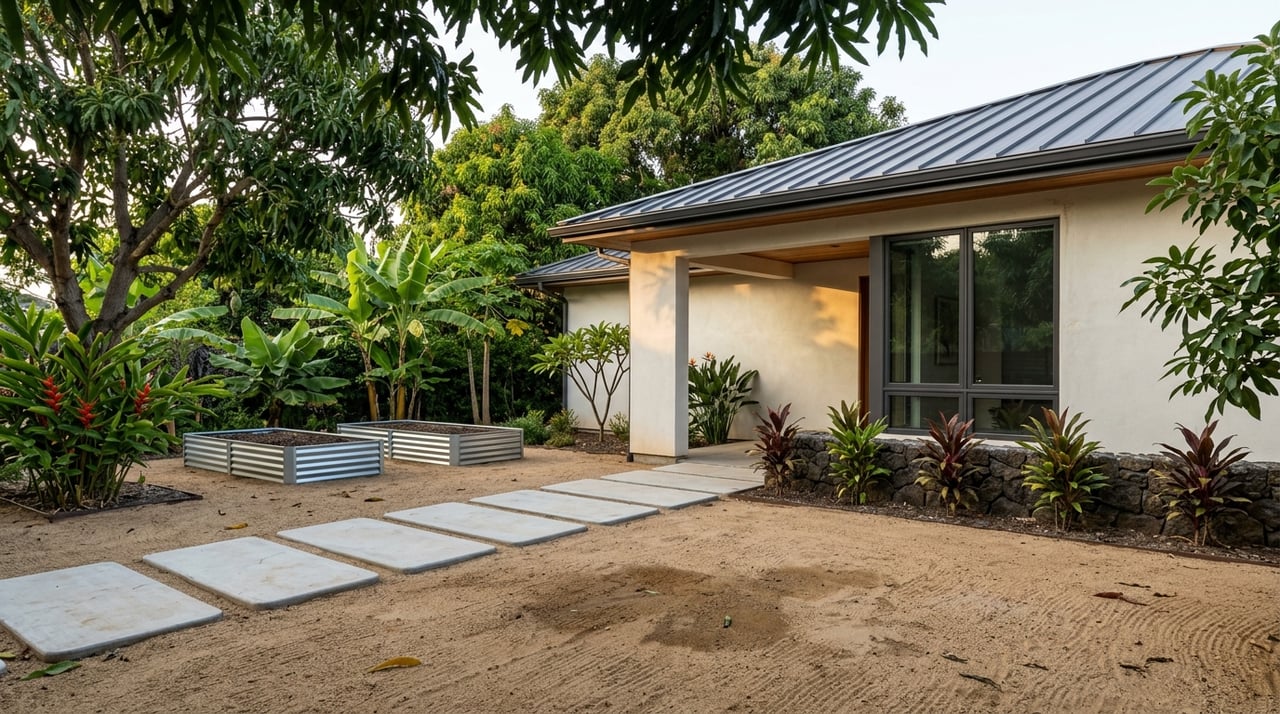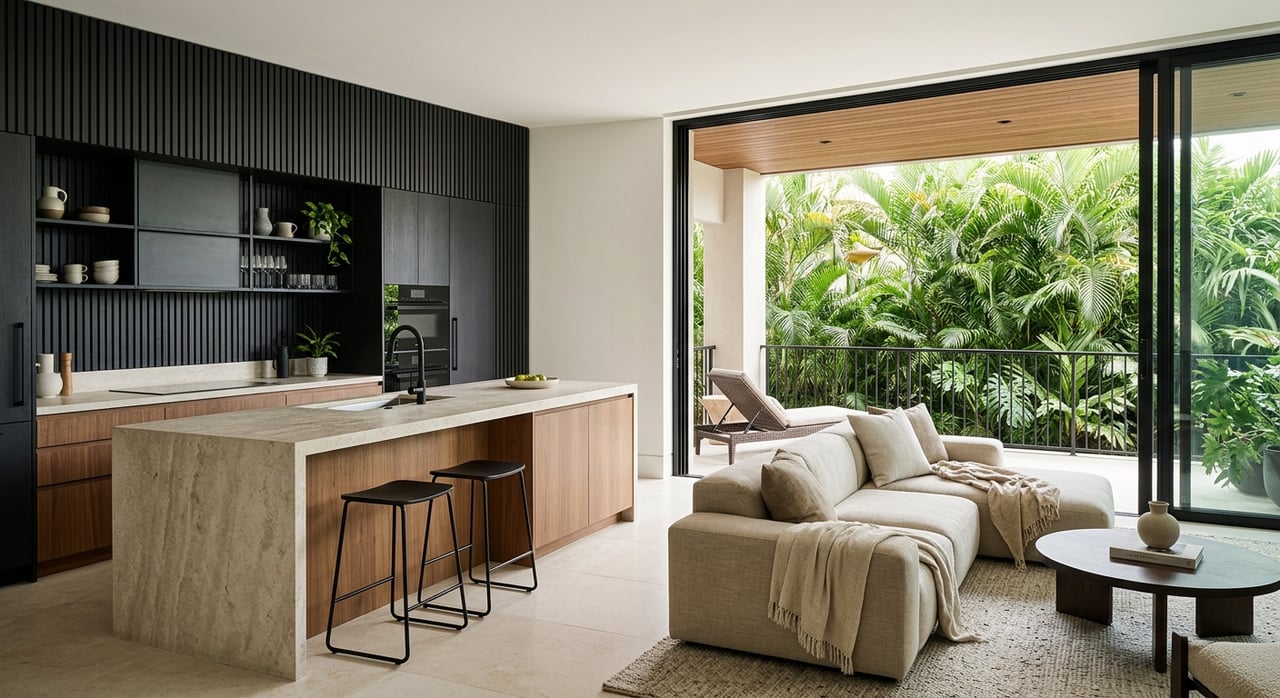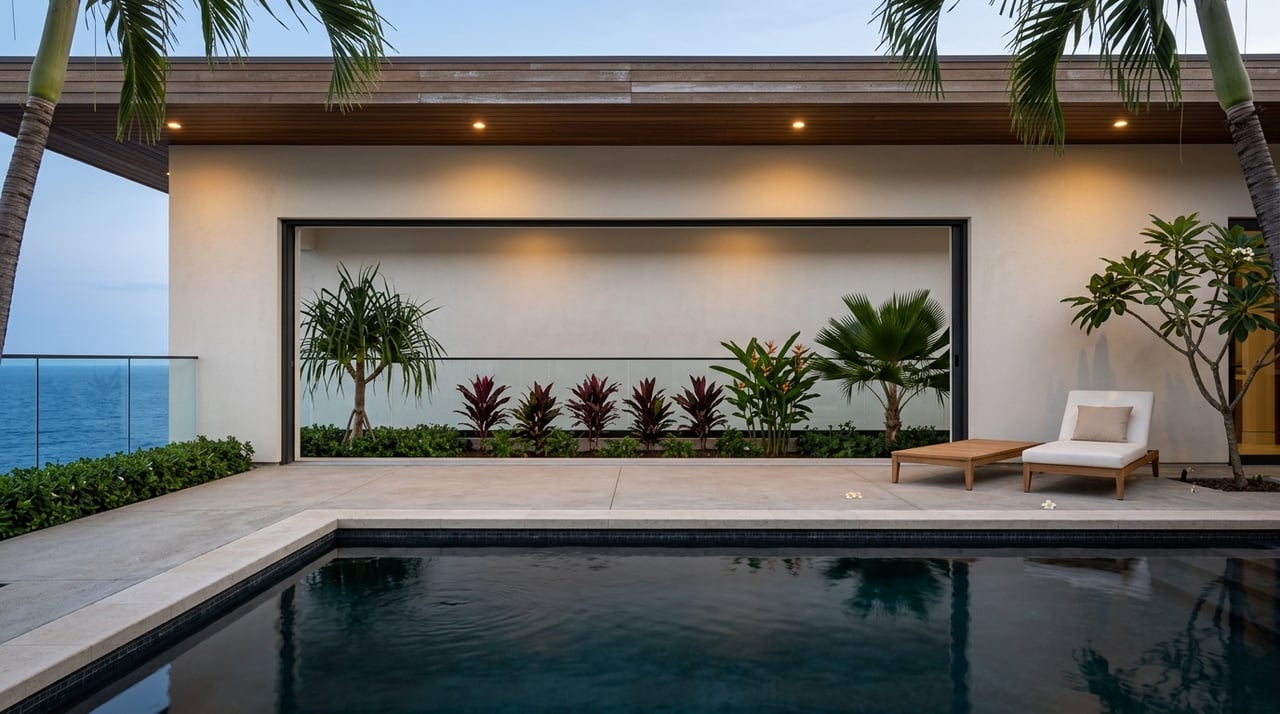
If your idea of luxury is less about being in the middle of everything and more about having space, privacy, and a front-row seat to Maui’s coastline, Makena deserves a serious look. This part of South Maui appeals to buyers who want an ultra-premium setting with a quieter, more residential feel than a typical resort district. In this guide, you’ll learn what defines Makena, what kinds of properties you’ll find, and what to evaluate before you buy. Let’s dive in.
Why Makena Stands Out
Makena sits on Maui’s southern shore and has a very different feel from more retail-heavy resort areas. It is best understood as a privacy-focused luxury enclave, where the appeal centers on low density, natural coastline, and a more secluded day-to-day experience.
A major part of Makena’s identity comes from the Makena Golf & Beach Club, an 1,800-acre members-only residential community with an 18-hole championship course, beach club, and lifestyle offerings. The area is also about 30 minutes from Kahului Airport and is convenient to Wailea’s shopping and dining, which gives you access to services without putting you in the center of a busier resort environment.
Makena’s shoreline adds another layer to its value. Mākena State Park includes 164.4 acres of scenic wildland beach park, which reinforces the area’s more elemental coastal character. At the same time, the state warns that shore break can be very dangerous, so Makena should be viewed as a natural-coastline market, not simply an amenity-driven resort market.
What Luxury Living Looks Like in Makena
Makena’s luxury housing is not one-size-fits-all. The area includes private-club residences and homesites, along with low-rise oceanfront condominiums that feel more like resort villas than high-density tower living.
Private-club homes and homesites
Within Makena Golf & Beach Club, the real estate mix includes Kāʻeo, Kula Villas, Beach Cottages, Beach Club Residences, Molokini Residences, and The Ranch at Mākena. Kāʻeo includes 75 residential opportunities, including custom homesites, cottage homesites, and villa residences.
Each setting creates a different lifestyle experience. Kula Villas are within walking distance of the club’s pools, restaurants, and spa, while Beach Cottages are steps from Maluaka Beach. The Ranch at Mākena sits on the leeward flanks of Haleakalā and offers broad sea-and-sky views, which may appeal if you value elevation, privacy, and wider vistas over immediate shoreline access.
Low-rise oceanfront condos
Makena’s condominium profile is also distinct. Makena Surf is a strong example, with 104 luxury units in six two- and three-story buildings built in 1984, 1989, and 1994.
The community is gated and sits on Po’olenalena and Paipu Beach. Amenities include pools and hot tubs, tennis and pickleball courts, BBQ areas, herb gardens, a 24-hour fitness center, and on-site security. About 68 units are vacation rentals with a five-night minimum, which shows how some Makena condo communities can blend private enjoyment with limited rental use, subject to governing documents and county rules.
The broader takeaway is simple: Makena condo living is generally low-rise and lower-density. If you are looking for beachfront luxury without the feel of a high-rise environment, that is an important distinction.
Makena vs. Wailea
Many luxury buyers compare Makena and Wailea because they are neighbors, but they deliver different experiences. Both are high-end South Maui markets, yet the lifestyle fit can be very different depending on what matters most to you.
Wailea is a 1,500-acre master-planned resort community with five crescent beaches, luxury resorts, golf courses, high-end shopping, and residential neighborhoods. It also has more than 30 acres of common areas, over 10 miles of landscaped roadsides, 24-hour patrol, and architectural controls designed to preserve community appearance.
Makena, by contrast, reads as more secluded and more residential. Its story is less about visible infrastructure and broader amenity density, and more about members-only living, low density, privacy, and a wildland shoreline setting.
Which lifestyle fits you best?
If you want a polished resort base with more day-to-day convenience, Wailea may feel like the better fit. If you want a quieter, lower-density setting with more space and a stronger sense of coastal seclusion, Makena often stands out.
This is not really a question of which area is better. It is a question of whether you want convenience and a more active resort pulse, or privacy and a more natural coastal experience.
What Oceanfront Buyers Should Evaluate
In Makena, luxury buying is about more than views and finishes. Because this is a limited, coastal market, due diligence matters in a very practical way.
View orientation and coastal exposure
View orientation can shape both your daily enjoyment and your ownership experience. Oceanfront and shoreline-adjacent parcels are subject to Maui County’s Special Management Area and shoreline setback rules, which are intended to protect life and property from floods, storm surge, high surf, and erosion.
Hawaii’s coastal guidance also notes risks that can affect shoreline property, including erosion, tsunamis, hurricanes, sea level rise, flooding, subsidence, earthquakes, and lava flows. For you as a buyer, this means an exceptional view should always be considered alongside setback limits, erosion exposure, and whether future improvements may be permitted.
Community rules and rental use
In Makena, you should never assume a property can be used exactly the way you want without verification. Community rules, declarations, bylaws, and zoning can shape whether a home is best suited for private use, part-time occupancy, or limited rental activity.
For example, Makena Surf’s house rules state that rentals and leases are subject to its declaration, bylaws, and Maui County zoning ordinances. That makes document review especially important if you are buying with a specific ownership plan in mind.
Scarcity and holding horizon
Makena’s long-term appeal is closely tied to scarcity. The area offers limited coastline supply, controlled development, and a branded luxury environment, which are all factors many buyers value in a long-term hold.
Makena Golf & Beach Club also states that it is home to one of the island’s first Low Impact Developments, which adds to the area’s long-range planning story. On a broader market level, Maui’s unemployment fell to 2.40% in 2025, visitor spending approached six billion dollars, and the island remained one of the highest-priced leisure markets in the country. Those conditions support resort demand, even though ultra-luxury sales can move slowly.
Liquidity in a niche market
Makena is a thinly traded market, and that matters. Public market tracking reported a February 2026 median sale price of $4.6 million in Makena, with only one home sold and a median 817.5 days on market.
That kind of data is consistent with a niche, low-turnover luxury market. For you, the practical takeaway is that Makena can reward patience, but it may not behave like a fast-moving volume market when it is time to buy or sell.
The Lifestyle Tradeoffs to Know
Makena’s beauty is part of its value, but it also comes with real-world tradeoffs. This is not a resort-easy setting in every sense, and many buyers see that as part of the appeal.
Mākena State Park has limited hours, no drinking water, paid parking, and posted warnings about dangerous shore break. That means the natural environment is a major asset, but it also asks for more self-sufficiency and more awareness of ocean conditions.
For many luxury buyers, that is exactly what sets Makena apart. You are not choosing a highly programmed environment. You are choosing a rarer stretch of Maui where privacy, open space, and the coastline itself carry much of the value.
Why Makena Appeals to Luxury Buyers
Makena is often the right fit if you are looking for privacy, low density, and oceanfront scarcity. It is especially compelling if you want a home that feels tucked away, while still being close enough to Wailea for shopping, dining, and services.
It can also make sense if you value club living, controlled development, and a more residential luxury setting over a busier resort scene. The strongest Makena story is not that it has more public-facing amenities than Wailea. It is that it offers more seclusion, more space, and a more exclusive coastal setting.
If you are weighing Makena against other luxury options in South Maui, a clear local read on property type, community structure, and shoreline considerations can make all the difference. To explore Makena opportunities with tailored guidance, schedule a private consultation with Maui & Co. Real Estate.
FAQs
What makes Makena different from Wailea for luxury buyers?
- Makena is generally more secluded, lower-density, and residential in feel, while Wailea offers a more amenity-dense, convenience-driven resort environment with shopping, resorts, and broader public-facing infrastructure.
What types of luxury properties are available in Makena?
- Makena includes private-club residences and homesites, such as villas, cottages, and custom homesites, along with low-rise oceanfront condominiums like Makena Surf.
What should buyers know about Makena oceanfront property?
- Buyers should evaluate shoreline setback rules, Special Management Area considerations, erosion exposure, and the potential limits on future improvements in addition to views and location.
Can you use a Makena condo as a vacation rental?
- Some Makena condominium communities allow rental activity under specific rules, but you should verify the governing documents, bylaws, house rules, and Maui County zoning before you assume a unit fits your intended use.
Is Makena a fast-moving real estate market?
- Makena appears to be a niche, low-turnover luxury market, which means sales volume can be thin and properties may take longer to trade than in higher-volume areas.
Who is Makena best suited for on Maui?
- Makena is often best suited for buyers who prioritize privacy, low density, controlled development, club-oriented living, and a more natural coastal setting over a busier resort atmosphere.