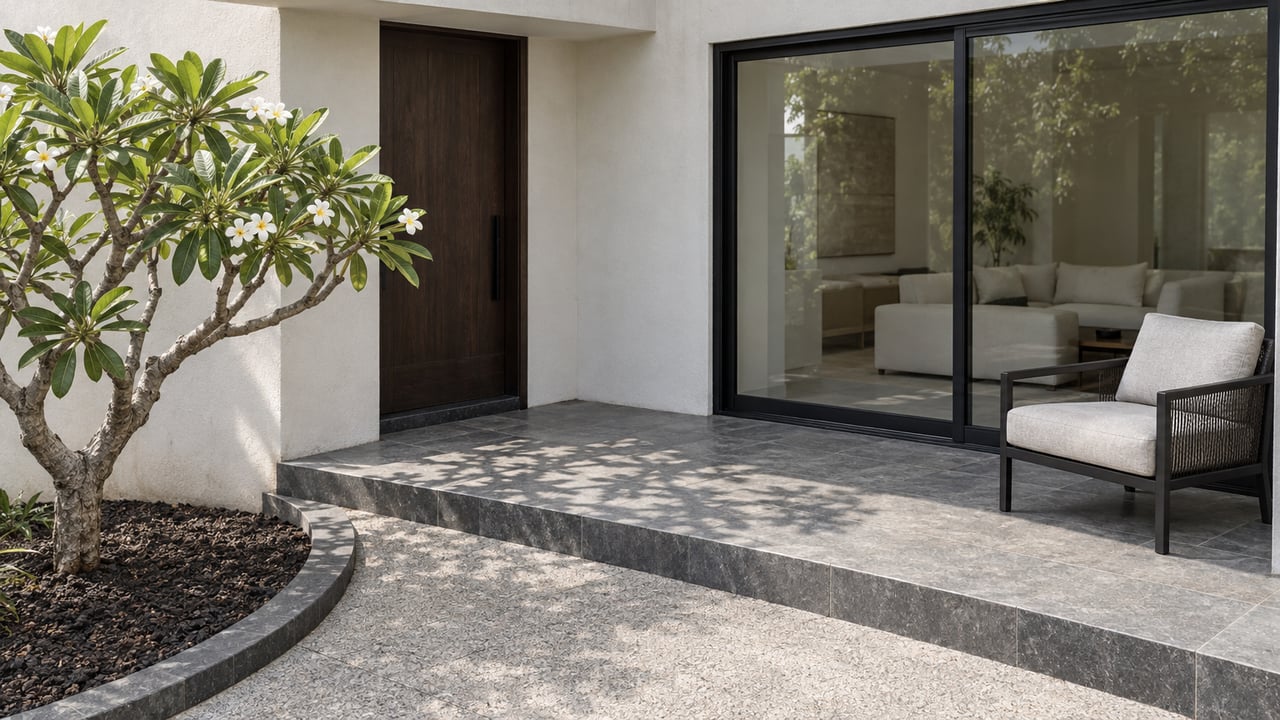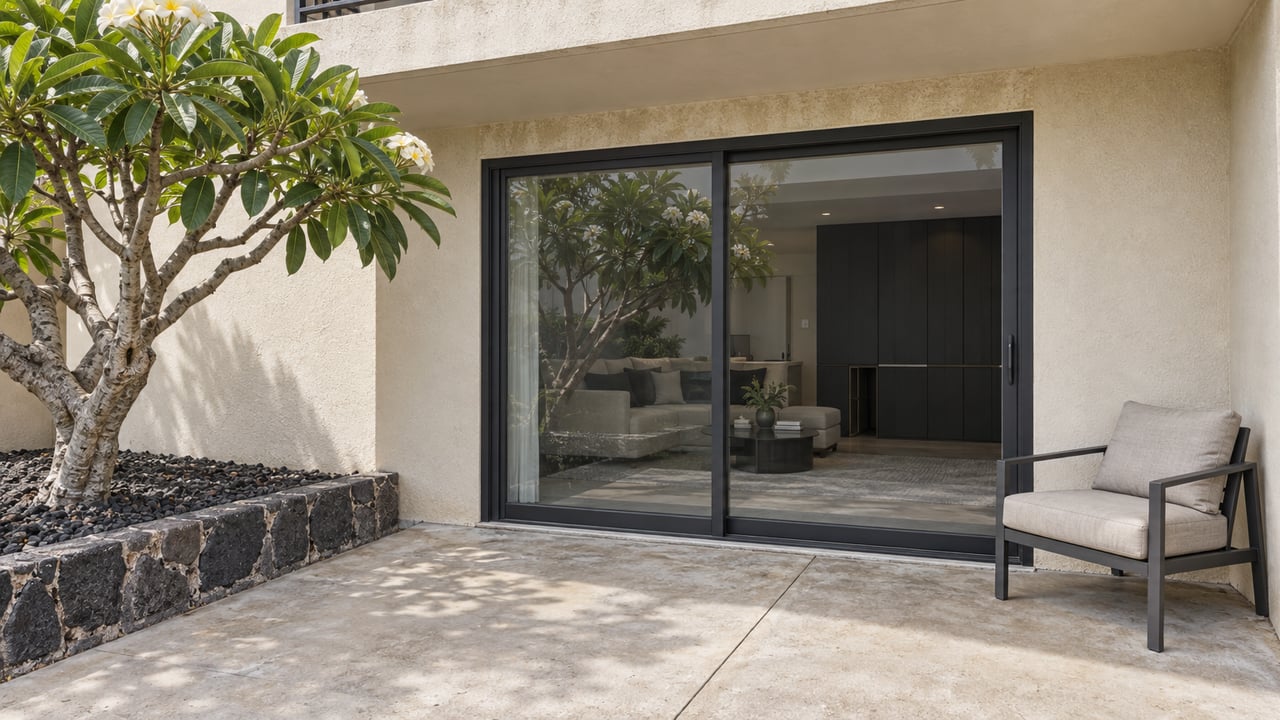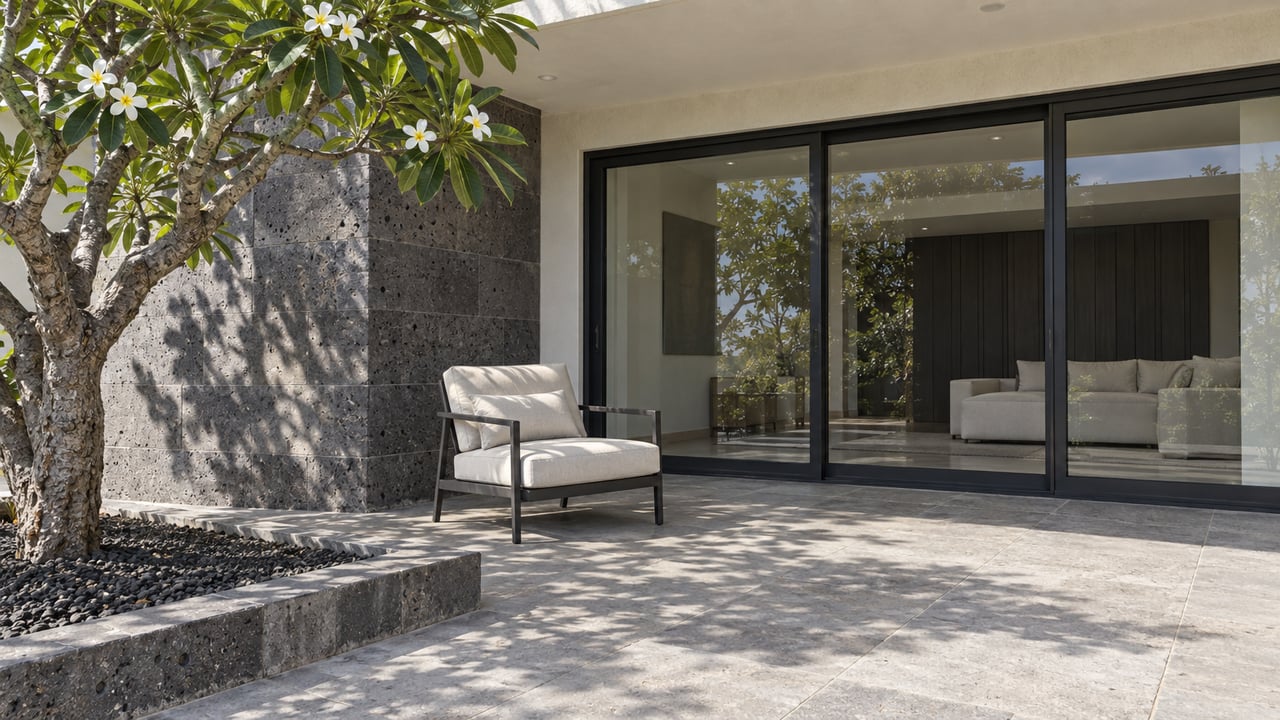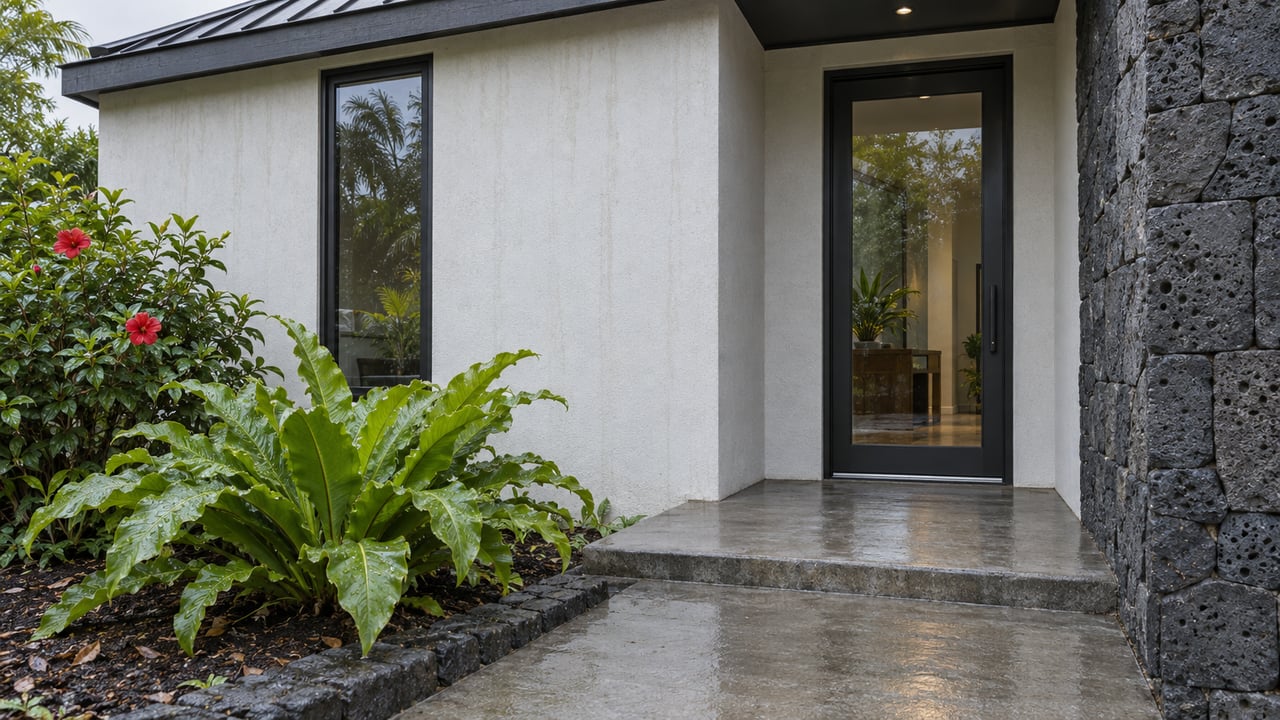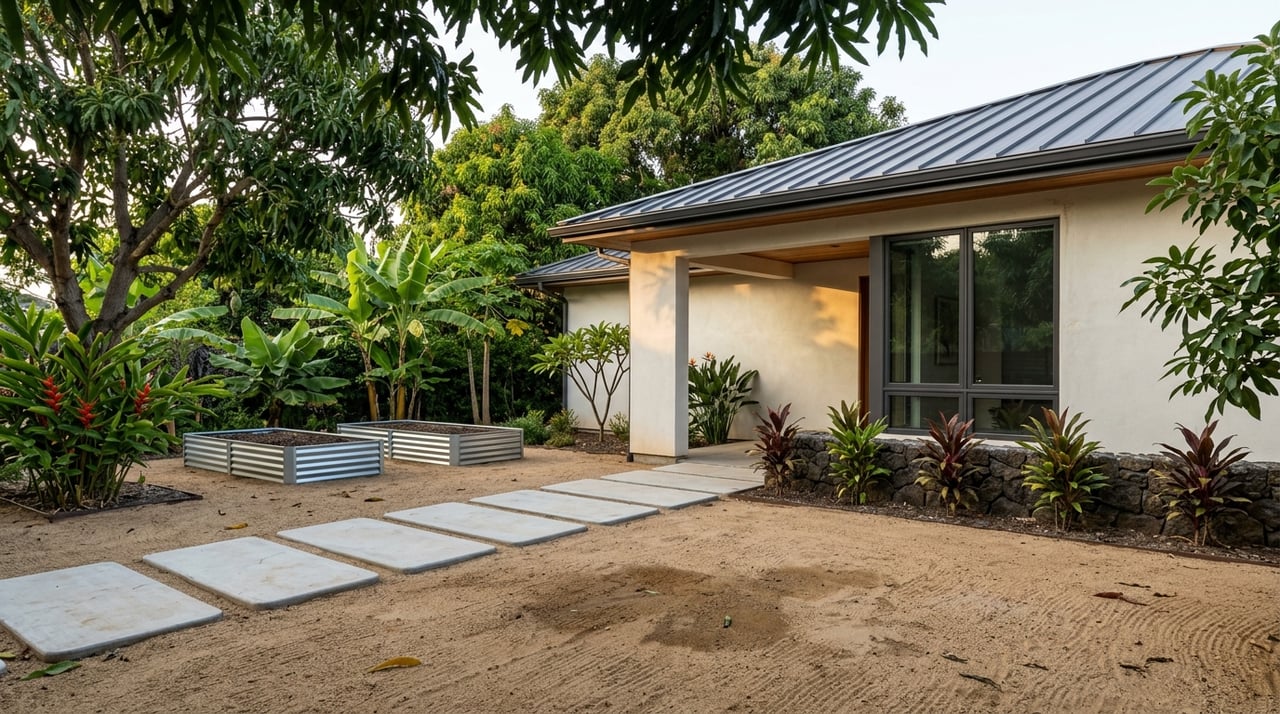
Dreaming about a place where your home feels tied to the land, the weather, and the rhythm of East Maui itself? If you are drawn to the idea of a private retreat, a small farm, or a more self-reliant lifestyle, East Maui offers a setting that is hard to match. The opportunity is real, but so is the need for careful planning, because in this part of Maui, water, zoning, access, and infrastructure matter just as much as the view. Let’s dive in.
Why East Maui Feels Different
East Maui stands apart because it is shaped by rainforest, streams, ranch land, and remote coastal communities rather than conventional suburban growth. The windward slopes of Haleakalā receive about 120 to 400 inches of annual rainfall, which helps create the lush, land-connected setting many buyers picture when they think about retreat living.
County planning materials describe the region as steep and rugged, with mountain rainforests, perennial streams, open ranch lands, and dispersed settlements like Ke'anae, Kīpahulu, and Kaupō. That combination gives East Maui a sense of privacy and space that can feel restorative, especially if you want a property with room to grow, create, or cultivate.
Just as important, East Maui is not only scenic. It is also a place where planning policy emphasizes open-space protection, preserved views, and support for small diversified agriculture. For you as a buyer, that means the character of the area is closely tied to the land itself.
East Maui's Farm-Living Roots
Farm living in East Maui is not a trend layered onto the landscape. It is part of the region’s long history. County planning materials point to taro cultivation in places like Ke'anae and Wailua, and Maui County says agriculture remains deeply rooted in the island’s economic, social, and environmental life.
That history matters because it changes how you should think about property here. In East Maui, land may be beautiful and peaceful, but it can also be productive and regulated in ways that reflect its agricultural purpose. If you are looking for a retreat property with a working-land component, that context is part of what makes the region so compelling.
Retreat Living Means More Than Privacy
A retreat-style property in East Maui can offer quiet, natural beauty, and a strong sense of separation from busier parts of the island. For some buyers, that means a creative refuge. For others, it means space for orchards, gardens, or a slower daily routine shaped by weather and land use.
Still, retreat living here is not simply about buying a home on a large lot. The more accurate way to think about East Maui is as a landscape-driven market, where the value of a property is often tied to how it relates to the land, water, and legal use of the parcel.
That is why two properties that look similar online can function very differently in real life. One may support agricultural activity with the right approvals and infrastructure, while another may have tighter limits because of district rules, access, or permit requirements.
Land-Use Rules Matter in East Maui
One of the first things to understand is that Hawaiʻi uses four state land-use districts: Urban, Rural, Conservation, and Agricultural. In East Maui, retreat-oriented and farm-oriented parcels may fall in Agricultural, Rural, or Conservation areas, and each district comes with different expectations.
Rural districts are generally suited to low-density residential lots and small farms. Conservation districts are intended to protect watersheds, scenic areas, historic resources, parks, and other sensitive lands. Agricultural districts are intended for crops, livestock, aquaculture, timber, and related uses.
For you as a buyer, the takeaway is simple: you cannot assume a parcel works the way you want it to work just because it has acreage or a peaceful setting. Before you get attached to a property, you need to understand what district it is in and what that district allows.
Why Agricultural Land Is Unique
Agricultural land in Maui comes with a very specific framework. County code says the Agricultural District exists to promote agricultural development and preserve agricultural resources. It also defines a farm dwelling as a single-family dwelling located on and used in connection with a farm.
That distinction is important. A home on agricultural land is not automatically treated like a standard residence on a larger lot. Maui County’s farm dwelling declaration states that residential use is not permitted in the county or state agricultural district unless the dwelling qualifies as a farm dwelling, and agricultural or land-conservation activity must actually be conducted for the dwelling and accessory structures to remain lawful.
In plain terms, if you are exploring farm living in East Maui, the agricultural use of the land is central to the purchase. It is not a side detail.
Special Parcel Configurations Can Add Complexity
Some East Maui properties may be part of private agricultural parks or other specialized land setups. County code notes that these can carry additional restrictions, including limits on dwellings unless special approval and other standards are met.
This is one reason experienced guidance matters. Two agricultural parcels in the same broad region may present very different opportunities and obligations depending on their exact legal framework.
Water Is a Major Part of Due Diligence
If there is one issue that defines East Maui property ownership, it is water. Maui County says the East Maui watershed covers about 120,000 acres and is the largest harvested source of surface water in the state. The Department of Water Supply explains that this system depends on rain captured by mountain forests, with water moving through streams, ditches, and underground aquifers.
That sounds abundant, but it does not mean every parcel has the same water situation. County materials point to a patchwork of regional systems, stream resources, ditch systems, and watershed management priorities, which means water source and irrigation access should be reviewed property by property.
If you are considering a retreat or small farm, ask focused questions early. You will want clarity on the water source, irrigation access, system responsibility, and whether maintenance obligations or limitations apply to that specific parcel.
Access and Infrastructure Need a Reality Check
East Maui’s beauty often comes with more limited infrastructure than buyers may be used to elsewhere. County planning materials note ongoing infrastructure and public-service limitations in the region, which is a practical reminder that daily logistics should be part of your buying decision.
Road access is one of the clearest examples. Maui County recently restricted Hāna Highway to local traffic only during severe weather because of fallen trees and landslides. That does not mean East Maui is inaccessible day to day, but it does show why you should think through travel time, storm impacts, deliveries, and emergency access before you commit.
For many buyers, these tradeoffs are part of the appeal. The setting feels quieter and more remote. But the lifestyle works best when you go in with realistic expectations and a solid understanding of how the property functions in all conditions.
Wastewater and Older Improvements Deserve Attention
Wastewater is another major item in East Maui due diligence. Maui County says many parts of the county have no wastewater service at all. On rural or older improved parcels, that can make the existing wastewater system a very important part of the property review.
The Hawaiʻi Department of Health also says cesspools are substandard systems that must be replaced statewide by 2050. If you are looking at an older home, cottage, or improved agricultural parcel, wastewater status should be confirmed early so you understand current condition and future obligations.
Not Every Flexible Housing Idea Will Work
Many buyers exploring retreat living think about alternative housing options at some stage. It is common to imagine a simple small-footprint setup while planning a future build or agricultural use. In East Maui, that idea needs to be checked against county rules before it becomes part of your strategy.
County FAQ materials state that house trailers and mobile homes are not permitted as dwelling units in the state agricultural and rural districts. That is a useful reminder that creative property plans still need to fit Maui County’s code framework.
Coastal Beauty Also Comes With Risk Screening
East Maui’s oceanfront and near-coastal settings can be stunning, but they should also be evaluated carefully. Coastal flood hazards can include storm surge, waves, and erosion, and Maui County notes that shoreline retreat, heavy rain, storm surge, and flooding can damage homes and roadways.
If a property is near the shoreline or in a lower-lying area, hazard screening should be part of your review from the start. In East Maui, proximity to the ocean can absolutely be a lifestyle advantage, but it should be weighed alongside exposure and long-term property planning.
Smart Questions to Ask Before You Buy
If you are serious about retreat or farm living in East Maui, it helps to approach the search with a clear checklist. A beautiful setting is only the beginning.
Here are some of the most important questions to ask:
- What state land-use district is the parcel in: Agricultural, Rural, Conservation, or Urban?
- If the parcel is in the Conservation District, are conditional approvals or a Conservation District Use Permit required?
- Is the property within an area where Special Management Area clearance may be required for certain activity or construction?
- If there is a dwelling on agricultural land, does it qualify as a lawful farm dwelling?
- What agricultural or land-conservation activity is currently in place, if any?
- What is the water source for the parcel, and is irrigation available?
- What wastewater system serves the property?
- Are there access issues related to weather, road conditions, or remoteness?
- Does the parcel have any special restrictions tied to an agricultural park or similar configuration?
- If the property is coastal, what flood and erosion concerns should be reviewed?
These questions can save you time, money, and disappointment. They also help you compare properties based on real usability, not just appearance.
The East Maui Opportunity
For the right buyer, East Maui offers something rare on Maui: a chance to live in closer relationship with the land. You may find privacy, abundant natural beauty, a strong agricultural heritage, and a pace that feels far removed from more built-up markets.
At the same time, East Maui asks more of you as a buyer. Land use, water, wastewater, access, and permit status are not side notes here. They are part of the core value and feasibility of the property.
That is exactly why thoughtful representation matters. When you understand the land first, you can make a smarter decision and find a property that truly fits your goals. If you are considering retreat or farm living in East Maui, Maui & Co. Real Estate can help you evaluate the opportunities with clear local insight and full-service guidance.
FAQs
What makes East Maui appealing for retreat living?
- East Maui offers a landscape shaped by rainforest, streams, ranch land, and dispersed coastal settlements, which can create a quieter and more land-connected lifestyle than a more conventional residential area.
What should buyers know about East Maui agricultural property?
- Buyers should know that agricultural property in Maui is governed by specific land-use rules, and a dwelling on agricultural land may need to qualify as a farm dwelling that is connected to actual agricultural or land-conservation activity.
Why is water such an important issue for East Maui property?
- Water is central because East Maui relies on a complex watershed system tied to rain, streams, ditches, and aquifers, so water source and irrigation access should be reviewed on a parcel-specific basis.
What infrastructure concerns come with East Maui farm or retreat properties?
- Infrastructure concerns can include limited public services, weather-sensitive road access, longer travel times, and property-specific utility or maintenance responsibilities.
What wastewater issue should buyers check on East Maui properties?
- Buyers should confirm whether a property has wastewater service or an on-site system, and they should pay close attention to older properties because cesspools are considered substandard and must be replaced statewide by 2050.
What housing limitations should buyers know in East Maui rural and agricultural districts?
- Maui County states that house trailers and mobile homes are not permitted as dwelling units in the state agricultural and rural districts, so alternative housing plans should be checked carefully against local code.
What should buyers review for East Maui coastal parcels?
- Buyers should review flood and erosion exposure because coastal and low-lying parcels may face risks tied to heavy rain, storm surge, waves, shoreline retreat, and roadway impacts.