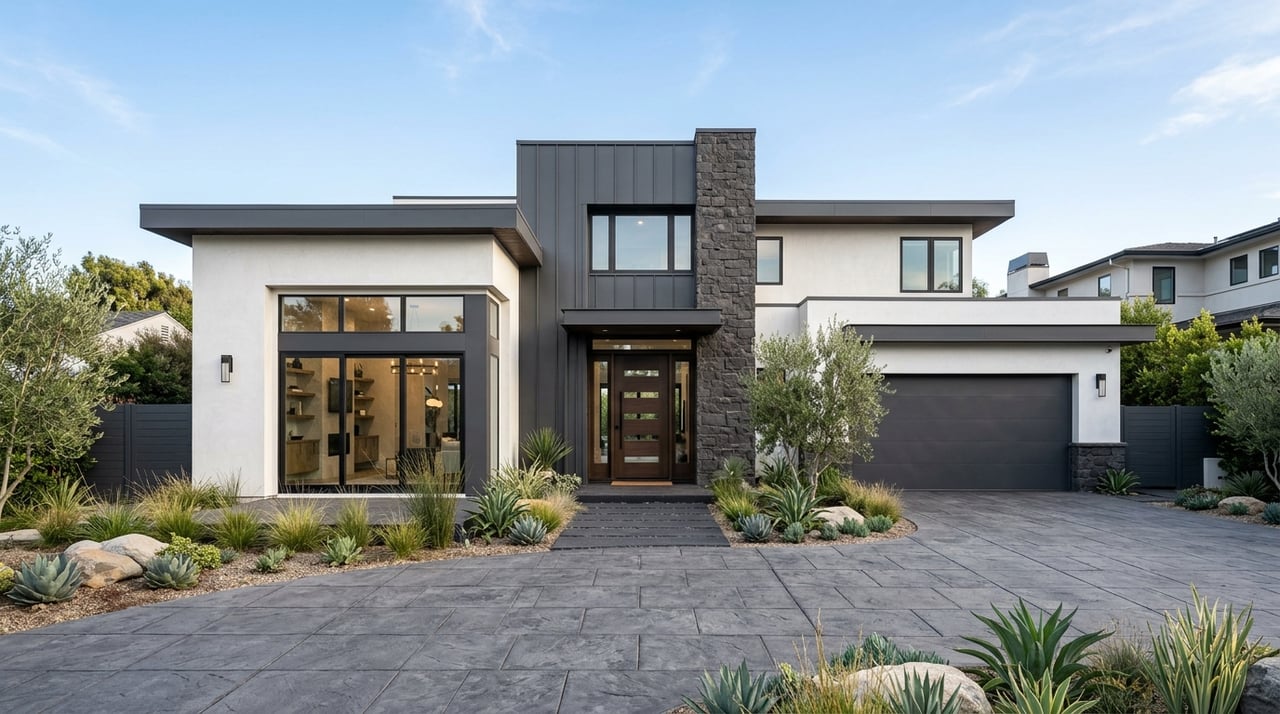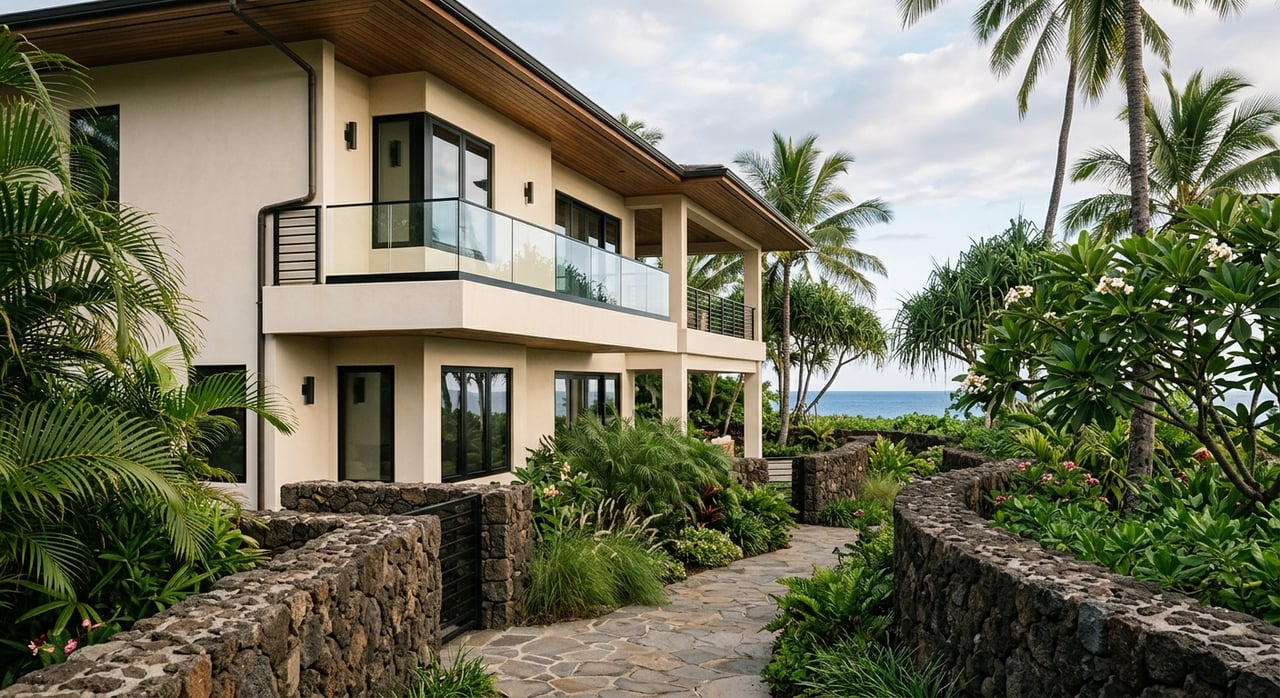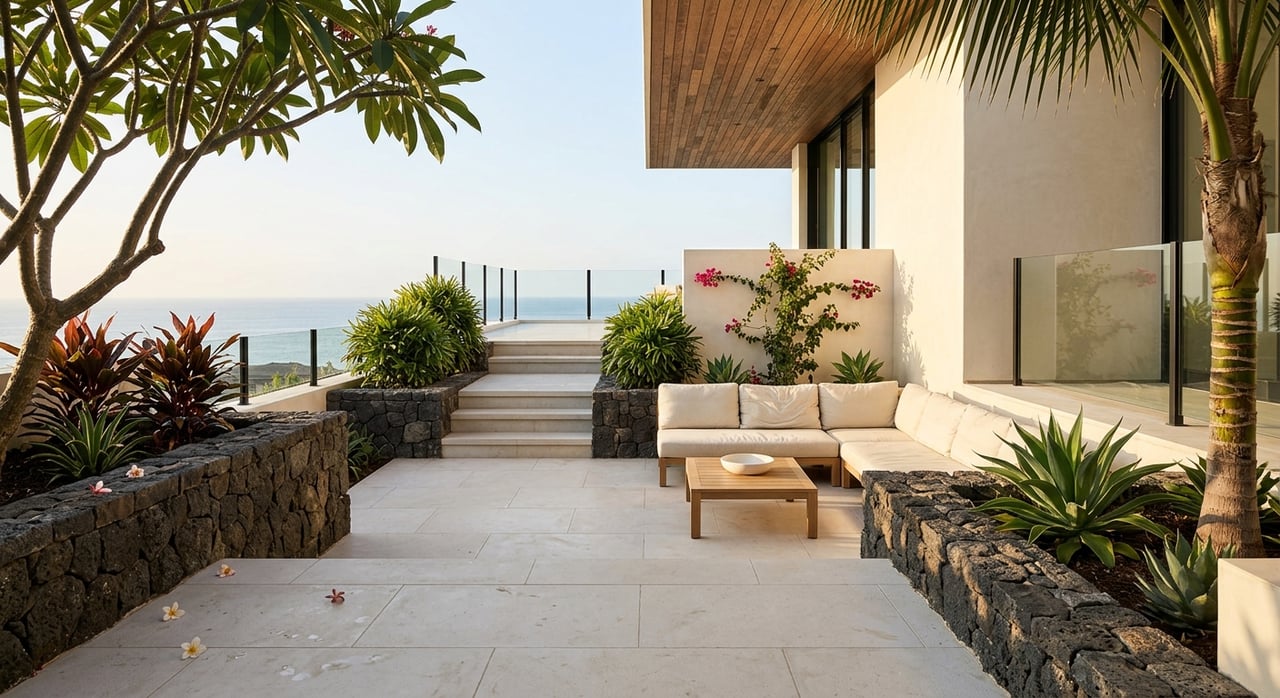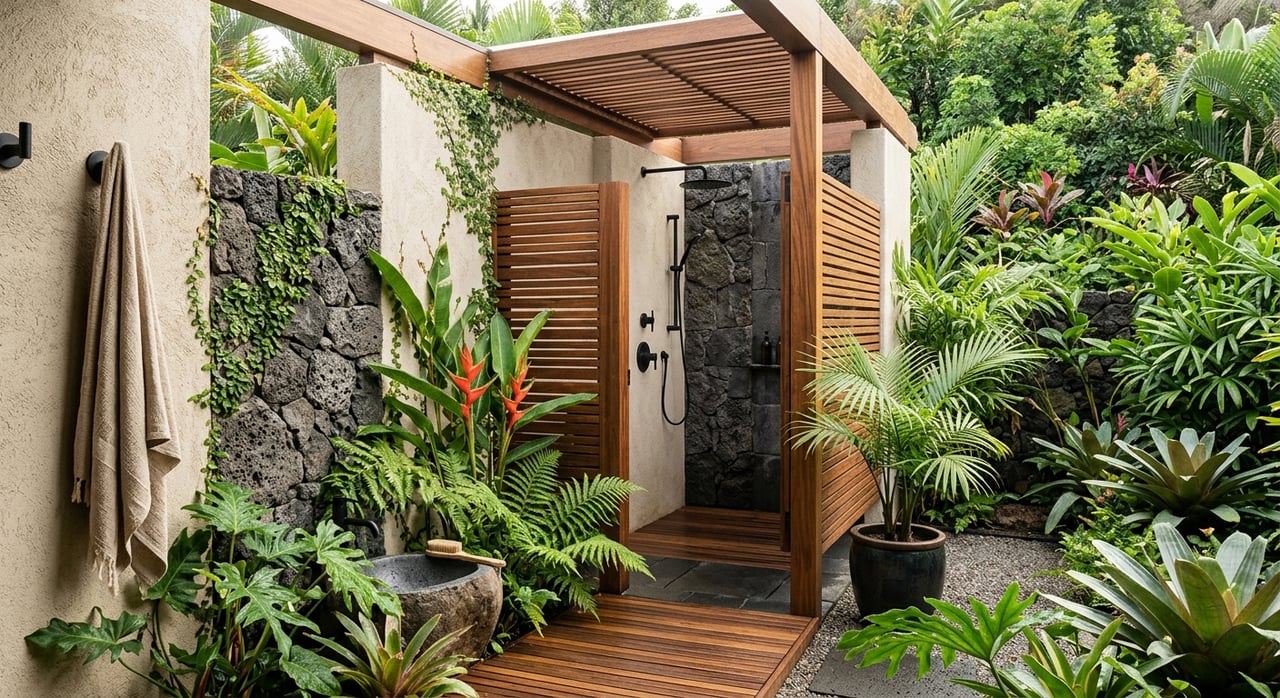
If you picture a second home on Maui and immediately think of a polished resort setting, the North Shore may surprise you. This part of the island offers a very different kind of ownership experience, one shaped by surf, open space, rain, and a creative small-town rhythm. If you are wondering whether North Shore Maui works as a second home or retreat base, this guide will help you weigh the lifestyle, property patterns, and practical ownership details that matter most. Let’s dive in.
Why North Shore Maui Stands Out
North Shore Maui is generally understood through the Paia-Haiku region, which runs along Maui’s north shore between Kahului and Hana in county planning. In day-to-day terms, that means you are looking at an area with two distinct personalities: Paia near the coast and Haiku farther mauka.
Paia is known as a historic plantation town near the ocean, and it sits relatively close to Central Maui, about four miles east of Kahului. Haiku feels more rural, with open space, small roads, gulches, streams, and a noticeably wetter landscape. Together, they create a North Shore setting that feels local, creative, and less resort-driven than other well-known parts of Maui.
County planning guidance also shows that the area’s eclectic and country-town character is intentionally protected. That matters if you are drawn to a place that feels established and distinctive rather than fully master-planned or heavily resortized.
Why Second-Home Buyers Are Drawn Here
For many buyers, the North Shore appeal starts with the ocean. Ho'okipa Beach Park is one of Maui’s premier ocean recreation sites and a nationally recognized surfing venue, and Paia has a strong windsurfing identity that helps define the area.
If you want a second home that supports an active outdoor lifestyle, this part of Maui offers that in a very real way. Winter brings larger North Shore surf, while calmer summer conditions shift how beaches are used, so the area has a strong seasonal rhythm that many buyers value.
There is also a lifestyle difference that goes beyond the beach. Paia’s rustic storefronts, art galleries, boutiques, and restaurants contribute to a small-town feel, while Haiku’s open land and modest commercial pockets create a quieter, more spread-out setting.
For retreat-minded buyers, that openness can be a major draw. The North Shore includes acreage-oriented properties and compound-style possibilities that align well with buyers who want privacy, space, and room for gatherings or a wellness-focused lifestyle.
Paia Versus Haiku
Paia offers a town-centered base
If you want easier access to daily conveniences and a more connected feel, Paia may fit better. It is the more town-like part of the North Shore, with a coastal setting and quicker reach to Central Maui.
That can make it appealing if your second home is meant to be a lock-and-leave base with nearby dining, shops, and beach access. You still get the North Shore atmosphere, but with a little more structure around day-to-day living.
Haiku offers more space and privacy
If your priority is seclusion, land, and a stronger rural feel, Haiku may be the better match. County sources describe it as open-space-heavy, with scattered business parcels and no highly developed urban core.
That often translates to a very different ownership experience. A Haiku property may offer more privacy and a retreat-like setting, but it can also come with more land management, more weather exposure, and a more hands-on approach to upkeep.
What Ownership Feels Like
One of the biggest differences between North Shore Maui and resort areas is the property pattern. Based on county descriptions, the region tends to skew toward detached homes, larger lots, acreage, and scattered parcels rather than dense resort condo development.
That can be a great fit if you want a home that feels rooted in the landscape. It may be less ideal if your priority is a highly managed property with hotel-style adjacency and more standardized maintenance.
In simple terms, North Shore ownership often feels more independent. You are not just choosing a home, but also choosing a certain level of involvement with the site, the weather, and the day-to-day realities of a windward location.
Climate and Upkeep Matter More Here
The North Shore is wetter than Maui’s leeward resort areas. County infrastructure data notes annual rainfall of about 30 inches in Paia and up to about 150 inches in higher elevations, along with erosion, silt deposition, and minor flooding during heavy rain.
For a second-home buyer, that means exterior upkeep deserves close attention. Drainage, runoff, roofing, landscaping, and moisture exposure can all be more important here than in drier resort districts.
County guidance also flags coastal storm-wave and tsunami exposure. That does not mean every property faces the same conditions, but it does mean location-specific due diligence is especially important when you are comparing coastal and mauka properties.
Maui County’s water department adds another layer to the picture. Paia is in the Central Maui water system, while Haiku is in the Upcountry system, so utilities are not uniform across the North Shore.
If you plan to use the home part-time, it is smart to evaluate water source, irrigation needs, drainage planning, and leak-prevention systems early. Absentee ownership tends to go more smoothly when those basics are understood before you close.
Access and Parking Are Practical Considerations
The North Shore is beautiful, but it is not always turnkey in the same way as a resort community. County design guidance for Paia notes pressure on small lots, discusses off-site parking concepts, and references heavy truck traffic through town.
Those details may not sound glamorous, but they matter when you are thinking like an owner. Ease of parking, site access, and circulation can shape how convenient the property feels for you and your guests.
It is also worth remembering that ocean conditions can shift sharply by season. GoHawaii notes that winter surf conditions at Paia can be dangerous, which reinforces the point that life on the North Shore is closely tied to natural conditions rather than a controlled resort environment.
Can You Rent It Part-Time?
This is one of the most important questions for second-home buyers, and the answer is: not by default. If you hope to offset costs with short-term rental use, Maui County’s short-term rental home rules need to be part of your decision from the start.
The county’s approved short-term rental home list shows the Paia-Haiku region limited to 48 permits, with 35 approved STRHs as of 06/30/2026. County rules also require a designated manager, onsite parking, and inclusion of the permit number in advertising.
That means rental flexibility is constrained compared with what some buyers assume. If occasional rental income is central to your purchase strategy, permit status and use restrictions should be verified very early in the process.
How It Compares With Resort Areas
If you are deciding between the North Shore and places like Wailea or other resort-centered parts of Maui, the contrast is fairly clear. South Maui is identified as the island’s sunniest and driest region, and Wailea is described as a luxury resort community with hotels, golf courses, condominiums, and private homes.
The North Shore is different in both feel and function. It is more rural, more surf-driven, and more open-space-heavy, with a built environment that tends to feel less polished and less centered on visitor infrastructure.
That does not make one choice better than the other. It simply comes down to whether you want a home embedded in a local residential landscape or a property with more master-planned convenience and stronger resort adjacency.
Who North Shore Maui Fits Best
North Shore Maui may be a strong fit if you want your second home to feel personal, grounded, and connected to the land and ocean. It tends to appeal to buyers who value character, privacy, outdoor living, and a setting that feels distinct from Maui’s major resort zones.
It may also work well if you are seeking a retreat base with room to spread out, especially in the more rural parts of Haiku. In that case, the appeal often comes from space and atmosphere rather than hotel-style ease.
On the other hand, if you want simple maintenance, dry weather, and clearer short-term rental expectations, a resort area may align more closely with your goals. The right choice depends less on price point and more on how you want the property to live.
If you are weighing North Shore Maui as a second home or retreat base, the best next step is to look beyond the postcard appeal and evaluate the practical side of ownership with local guidance. The right property here can be incredibly rewarding, but it helps to have clear insight into access, upkeep, land use, and fit. When you are ready for a tailored strategy, schedule a private consultation with Maui & Co. Real Estate.
FAQs
Is North Shore Maui good for a second home?
- Yes, if you want a second home centered on surf access, open space, and a more local, rural lifestyle rather than a resort setting.
Does North Shore Maui feel like Wailea?
- No. Wailea is a master-planned resort community, while the North Shore is generally more rural, creative, and surf-oriented.
Can you use a North Shore Maui home as a short-term rental?
- Only in limited cases, because Maui County restricts short-term rental home permits in the Paia-Haiku region and requires manager availability, onsite parking, and permit-number disclosure.
Is Haiku or Paia better for a retreat-style property on Maui’s North Shore?
- Haiku often fits retreat-style goals better because it is more rural and open-space-heavy, while Paia offers a more town-centered coastal base.
Do North Shore Maui homes need more maintenance?
- Often yes, because the region is wetter and county data notes drainage, erosion, runoff, and minor flooding concerns during heavy rain.
What should you check before buying a second home on Maui’s North Shore?
- Focus on drainage, water system, access, parking, weather exposure, and whether the property has any short-term rental permit status if rental use matters to you.