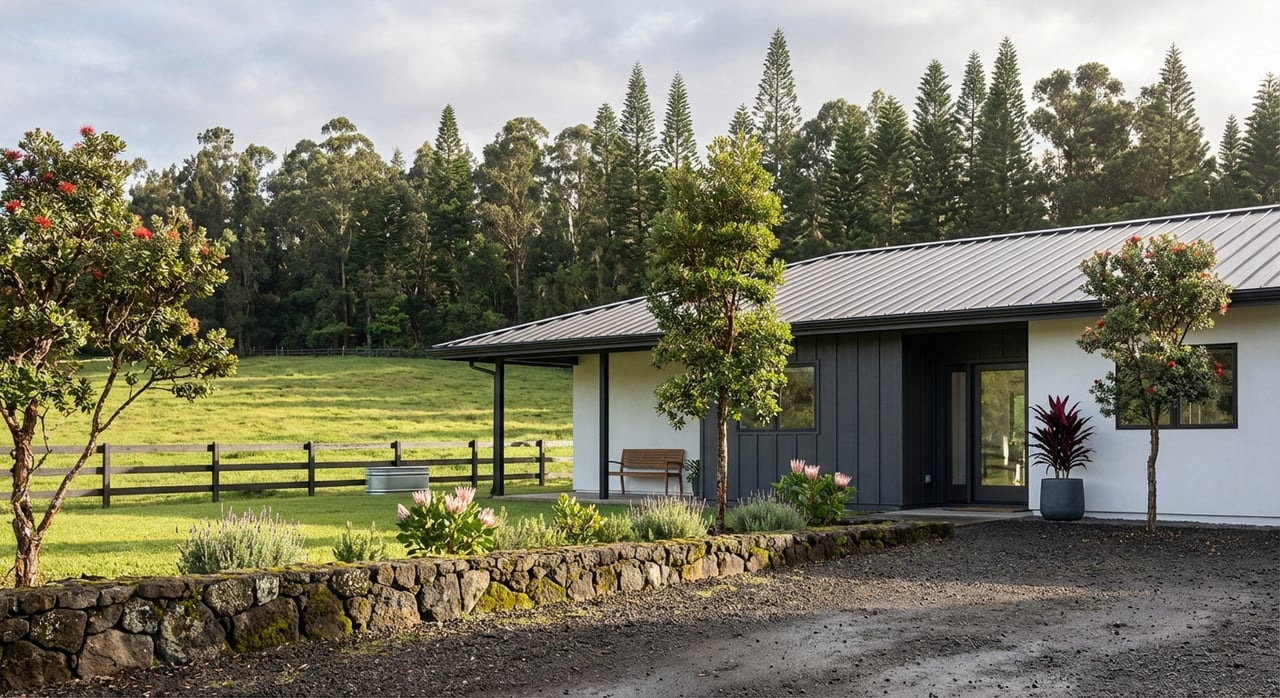
Do you dream of cool evenings, big-sky views and room to garden, yet still want to be close enough to town for errands and dining? Upcountry Maui might be your match. The area’s elevation, microclimates and rural roots shape everything from how your home feels at night to what you can plant and how you manage utilities. In this guide, you’ll learn how climate shifts with altitude, what to expect from lots and zoning, how water and wastewater systems work, and the lifestyle tradeoffs to consider before you buy. Let’s dive in.
What “Upcountry Maui” means
Upcountry refers to the populated slopes of Haleakalā above Central and coastal Maui, including Makawao, Pukalani, Kula and Olinda. The Makawao–Pukalani–Kula community plan recognizes these towns, surrounding agricultural lands and open space as one planning area with a strong rural and agricultural character. You can review the planning context and maps in the county’s community plan resources to understand long-term land use priorities and protections for ag lands. Maui County’s community plan page is a helpful starting point.
Because the district rises quickly from the central valley, many properties have sweeping coastal vistas. Depending on your elevation and exposure, you may capture sunrise over Haleakalā, bicoastal views or long sunset light.
Climate, elevation and comfort
Cooler with altitude
Temperature generally decreases as you go uphill. A widely used planning rule is about 3.5 to 3.6°F cooler for every 1,000 feet of elevation gain. That explains why a home at 2,500 feet often feels notably crisper than a home near sea level. Actual conditions vary with wind, cloud cover and humidity, but the rule of thumb helps you set comfort expectations. You can read more on the standard lapse rate in this meteorology reference: Essentials of Meteorology.
Microclimates by area
In everyday terms, Upcountry is cooler and less humid than most coastal neighborhoods. Daytime highs commonly sit in the 60s to 70s, with nights often in the 50s, and winter nights at higher elevations can dip into the 40s. Pukalani and lower Kula tend to be sunnier and drier. Makawao often sees a bit more moisture and windward influence. Olinda and upper Kula are cooler and can be misty and very green. If you want crisp evenings and a broader plant palette, you will likely target elevations above roughly 1,000 feet.
Rain, winds and seasons
Trade winds and the size of Haleakalā create sharp wet and dry contrasts over short distances. Expect a wetter winter season and drier spells at other times. Drought cycles do occur, which affects vegetation, fire risk and surface water supplies. When you tour homes, pay attention to local wind exposure, shade patterns and drainage, since these small differences shape day-to-day comfort.
Lots, zoning and agricultural use
Upcountry’s identity is deeply tied to agriculture. The community plan prioritizes preservation of ag land and open space, so you will find a mix of parcel sizes and uses. Town and rural residential lots cluster near Makawao and Pukalani. Kula and Olinda include many 1 to 20-plus acre parcels used for small farms, orchards, vineyards and pastures. Larger ranch lands sit upslope. If you hope to keep animals, plant orchards or explore commercial ag, verify zoning, permitted uses and any relevant tax classifications with Maui County. The community plan and county staff can clarify what is intended for a specific parcel over time. Start with the Maui County community plan resources and then confirm details with the county.
Many Upcountry listings advertise space to garden or keep animals, but legal allowances depend on zoning and permits. If farming is central to your goals, it is wise to check for water access, ag infrastructure and proximity to support programs like the Kula Agricultural Park. For background on agricultural support in the region, review the state’s page on agricultural parks.
Water, wastewater and utilities
Drinking water basics
Most Upcountry customers receive county water that starts as surface water from East Maui streams and is treated at county plants, including Kamole, Piʻiholo and Olinda, before distribution. Because the system relies heavily on surface flows, drought and stream adjustments can influence supply and even water taste. When you are under contract, confirm the property’s water source, meter status and the most recent water quality and system updates through the County of Maui Department of Water Supply. The county’s DWS FAQ outlines sources, treatment and customer guidance.
Wastewater and cesspools
Upcountry has many on-site wastewater systems, including older cesspools and septic systems. The Hawaii Department of Health identified Upcountry as a high-priority area for cesspool conversion due to risks to drinking water and sensitive waters. As a buyer, you should confirm the type and condition of any on-site system, budget for potential upgrades, and check for state or county programs that may help with conversion. For context and program links, see Hawaii Sea Grant’s cesspool overview.
Power, internet and outages
Coverage for internet and cell service can vary across ridgelines and gulches. Ask providers to verify service at the exact address. If power lines are overhead, expect more weather-related outages. Some wildfire-prone areas may also be subject to public safety power shutoffs during extreme wind events. For local wildfire planning references, review the Hawaii Wildfire Management Organization’s community wildfire plans.
Hazards, insurance and site work
Wildfire readiness
Wildfire risk is a real factor for many Upcountry neighborhoods, especially on drier leeward slopes during wind events. When you evaluate a property, check community wildfire plans, hazard maps, available water for firefighting and the defensible space around structures. Ask sellers what mitigation work has been done and what maintenance is ongoing. You can find regional plans and resources through the Hawaii Wildfire Management Organization.
Insurance check
After the 2023 Maui fires, some insurers paused new policies in certain zones and applied more scrutiny to wildfire exposure. Before you make an offer, confirm current availability, coverage terms and expected premiums for the property you are considering. The Honolulu Civil Beat’s reporting provides useful context on how insurers have responded and what to watch.
Slope, drainage and access
Many beautiful Upcountry lots sit on slopes. That can mean more design character and better views, but it also brings practical needs: geotechnical and drainage assessments, safe driveway access, and sometimes retaining structures. Experienced local builders factor higher site costs for cut-and-fill work and erosion control where soils and grades demand it. County road standards and permits will shape what is allowed for access improvements. You can find the planning framework on the Maui County community plan page, then consult a licensed engineer early in your feasibility period.
Homes and build features
You will see a wide range of homes Upcountry: plantation-era cottages, ranch-style homes with metal or shingle roofs, custom hillside builds and newer estates on multi-acre parcels. In cooler pockets of Kula, Olinda and upper slopes, you will often find fireplaces or wood stoves. Insulation, roof condition and rainproofing details like overhangs matter more here than in many coastal homes.
Solar is popular across Maui. In Upcountry locations, confirm that roof planes avoid heavy shading from trees or afternoon cloud patterns. As with any island property, add a termite inspection, chimney and fireplace checks, and a review of insulation and windows to your due diligence list.
Daily life and commute
Part of Upcountry’s charm is its paniolo, or cowboy, heritage, small-town main streets and arts scene. Makawao offers galleries, cafes and community events such as the Makawao Rodeo and local farmers’ markets. For a feel of the town’s character, this Makawao guide is a helpful overview.
You will find smaller grocery options and local markets Upcountry, while major shopping and medical services are in Central Maui. Typical drive times from Makawao or Pukalani to Kahului are often about 20 to 30 minutes, depending on route and traffic. For a general reference on the drive, see this Makawao-to-Kahului time estimate. Plan your daily routine with those trips in mind.
Smart buyer checklist
Use this quick list to focus your search and due diligence:
- Water: Confirm county meter vs private well or shared ditch. Request the latest water quality report and any notices on supply or taste from the county’s DWS FAQ.
- Wastewater: Identify cesspool or septic and its condition. Check Hawaii DOH priorities and programs through Hawaii Sea Grant. Budget for potential conversion.
- Zoning and use: Verify permitted uses, ag classifications and any lot split history. Start with the Maui County community plan context, then confirm details with the county.
- Site and access: Order geotechnical and drainage reports for sloped lots. Verify driveway grades, emergency access and erosion controls.
- Wildfire and insurance: Review HWMO wildfire plans. Ask your insurance broker about current availability and wildfire coverage before you offer.
- Utilities and connectivity: Confirm internet and cell coverage at the address. Ask about overhead power lines and any public safety power shutoff history.
- Lifestyle fit: Test drive times to work, schools, stores and medical services. A practical tool is this Makawao-to-Kahului drive time check.
- Ag goals: If farming is a priority, verify water access and ag allowances. For background programs, see the state’s agricultural parks.
Ready to explore Upcountry properties with a trusted local partner who blends lifestyle insight with negotiation expertise? Connect with Maui & Co. Real Estate to schedule a private consultation and map the right neighborhoods, properties and due diligence plan for your goals.
FAQs
What is Upcountry Maui and where is it?
- Upcountry covers the slopes of Haleakalā above Central Maui, including Makawao, Pukalani, Kula and Olinda, with a county plan focused on rural and agricultural character; see the Maui County community plan for context.
How does elevation change the climate in Upcountry?
- Temperature typically drops about 3.5 to 3.6°F per 1,000 feet, so higher elevations feel cooler and less humid, especially at night; see the meteorology reference.
Do you need heating in Kula or Olinda homes?
- Many buyers add simple heat sources, like wood stoves or small electric heaters, for comfort on cooler nights in upper elevations; this is a preference, not a safety need.
What should I know about Upcountry water and wastewater?
- Most homes use county-treated surface water; verify meter and quality updates via the DWS FAQ, and check if the home has a cesspool or septic since Upcountry is a priority area for conversions per Hawaii Sea Grant.
Is wildfire insurance hard to get in Upcountry Maui?
- Underwriting has tightened since the 2023 fires, and some areas saw temporary moratoria; have your agent and insurer check current availability and premiums early, with background from Civil Beat’s reporting.
How long is the drive from Makawao or Pukalani to Kahului?
- Many residents report about 20 to 30 minutes in typical conditions; you can review a general Makawao-to-Kahului drive time as a planning benchmark.